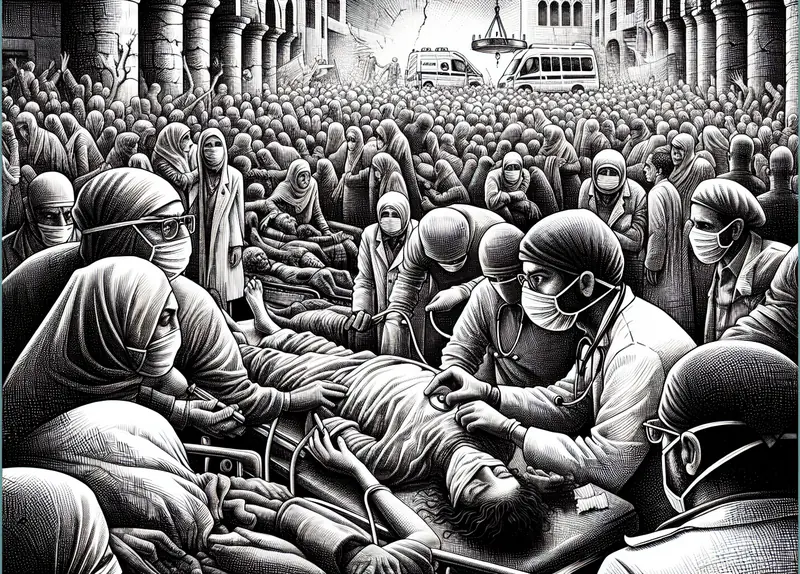
As protests in Iran intensify into their second week, the country's medical facilities are overwhelmed, with reports of 50 protesters killed amid escalating tensions. Doctors are sounding alarms from the confines of their overwhelmed hospitals, and at least one eye specialist center in Tehran has gone into crisis mode, unable to handle the influx of injured demonstrators [1]. The Iranian government, meanwhile, is pointing fingers at the U.S., claiming that the protests have devolved into "violent subversive acts" due to foreign interference. It’s a stark reminder of how quickly the fabric of society can fray under pressure, with international leaders urging for the right to peaceful protest to be safeguarded.
On the other side of the globe, Nicaragua is facing its own upheaval as authorities arrest at least 60 people for merely celebrating the capture of Venezuelan President Nicolás Maduro. This wave of repression comes on the heels of a U.S. military operation that many in Nicaragua view with mixed feelings, especially as the government cracks down on any dissent with alarming fervor [2]. The irony here is thick; while some celebrate a political shift, others find themselves silenced, echoing the very sentiments of those in Iran who simply seek to voice their discontent.
Meanwhile, in Greenland, residents are caught in a geopolitical storm sparked by Donald Trump’s territorial ambitions. The U.S. Secretary of State is set to discuss the fate of this semi-autonomous territory, which Trump has deemed essential for national security. Locals are understandably worried, with one pensioner expressing a visceral fear of U.S. intervention, proclaiming that they must "never plant [their] flag" there [3]. As the world watches, Greenlanders find themselves grappling with the implications of their homeland's strategic importance, a stark contrast to the serene, snow-covered landscapes they call home.
In a bizarre twist of fate, Indonesia has blocked Elon Musk’s Grok chatbot due to concerns over the potential for AI-generated pornographic content. This move places Indonesia at the forefront of a global debate on the ethical implications of AI technology, a conversation that is becoming increasingly urgent as society wrestles with the digital age's darker corners [4]. Musk's response? A cavalier dismissal of media narratives, as if the chaos surrounding his ventures is merely a misunderstanding.
Lastly, as if the world wasn't turbulent enough, a devastating fire in a Swiss ski resort has prompted citizens to question their government's efficiency and accountability. The bar involved had not been inspected since 2019, and the tragic loss of 40 young lives has ignited a firestorm of outrage over local governance [5]. In a nation revered for its meticulousness, this lapsing oversight feels particularly jarring.
In this swirling tapestry of global events, from the streets of Iran to the mountains of Switzerland, we see a world grappling with unrest, be it political, technological, or social. Each story intertwines, reflecting a collective anxiety about safety, freedom, and the unpredictable forces shaping our lives.