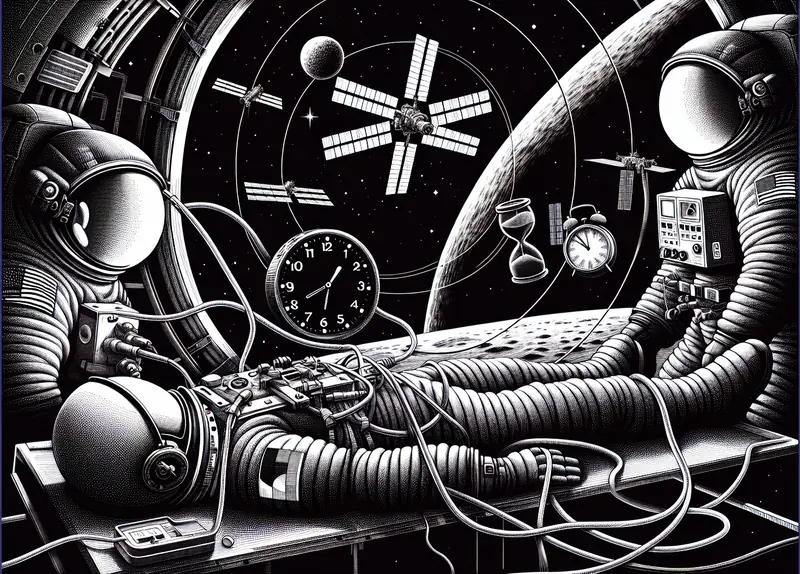
As January 9, 2026, draws to a close, the world is abuzz with a mixture of awe and concern, primarily driven by a dramatic decision from NASA that has captivated the public's imagination. The space agency announced a controlled medical evacuation from the International Space Station (ISS), moving up the return of four crew members due to an unspecified medical issue affecting one astronaut. The incident has left many wondering about the health and safety protocols in place aboard the ISS. NASA officials reassured the public, stating the affected astronaut is “absolutely stable,” but they opted to err on the side of caution, bringing the Crew-11 mission home about a month earlier than planned, with their return now scheduled for January 12 instead of February 20【1】【2】.
As the news of the evacuation unfolded, discussions around space travel's inherent risks reignited. NASA's decision, while prudent, raised questions about long-term missions and the physiological challenges astronauts face. This story dominated headlines throughout the day, garnering significant media coverage and public interest, as people pondered the implications for future missions.
Meanwhile, the tech world was embroiled in its own controversies, particularly surrounding Elon Musk's AI tool, Grok. Facing intense backlash for enabling the creation of sexualized deepfakes, Grok's image editing capabilities were restricted to paid users only. This move came after Musk and his platform X were threatened with regulatory action and potential bans in the UK, leading the company to temporarily disable the image generation function for most users【3】【4】. The public outcry demonstrated a growing concern over AI ethics and the responsibility of tech companies in safeguarding against misuse. The narrative surrounding Grok evolved rapidly, as users reacted to these changes and debated the platform's future.
In a further twist of the day, former Google CEO Eric Schmidt found himself in the spotlight, facing serious allegations of rape and surveillance by an ex-mistress. This shocking revelation added to the ongoing conversation about accountability in the tech industry, particularly as it relates to powerful figures and their conduct【5】. The implications of these allegations are likely to resonate for some time, especially as they come amid heightened scrutiny of corporate leaders in the wake of various scandals.
On the cultural front, comedian John Mulaney made headlines by postponing his upcoming shows in Minneapolis due to safety concerns following a tragic shooting involving an ICE officer. Mulaney expressed his heartfelt sympathy to the community, emphasizing that the situation felt too unsafe for large gatherings. This incident highlights the growing tensions and grief in the city, as local protests continue following the death of a mother and poet at the hands of law enforcement【6】.
In the realm of public sentiment, a new NPR/Ipsos poll revealed that while many Americans feel the U.S. is not a moral leader on the global stage, there exists a strong desire for it to become one. This duality of perception reflects a yearning for progress and ethical leadership in a time of increasing polarization【7】.
Lastly, in a lighter vein, sports enthusiasts celebrated a thrilling climax in college football as the Miami Hurricanes clinched a spot in the College Football Playoff National Championship game. A nail-biting finish saw quarterback Carson Beck score a last-minute touchdown, overcoming a fierce challenge from Ole Miss to secure a 31-27 win. This victory not only reignites Miami's championship hopes but also showcases the excitement and unpredictability of college sports【8】【9】.
As the day winds down, it's clear that January 9, 2026, has been marked by significant events that highlight the intersection of health, technology, and societal concerns. The threads of each story are woven together by a common theme of caution and accountability, reminding us of the complexities we face as we move forward.