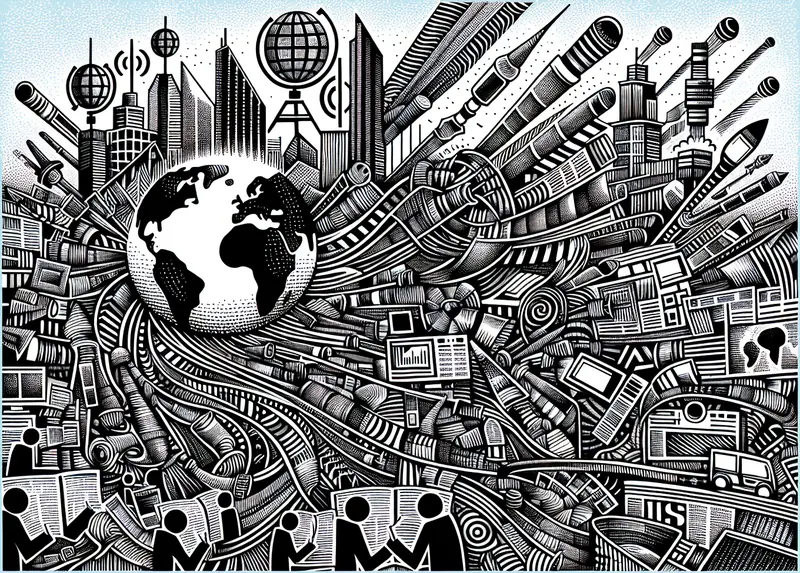
As the world kicks off January 2026, the air is thick with change and a hint of chaos. Godzilla is back in the spotlight, with the announcement of Godzilla Minus Zero, set to rampage into North American theaters on November 6[1]. This sequel follows the success of Godzilla Minus One, which grossed $113 million worldwide and snagged an Oscar for best visual effects. It’s a fascinating time for cinema when a creature from the depths of Japanese folklore can bridge hearts across continents, with even Steven Spielberg among its fans.
But while we’re getting ready for cinematic monster mayhem, the arts scene in Washington is crumbling. The Washington National Opera has decided to part ways with the Kennedy Center after 50 years, citing financial strains and the aftermath of political upheaval as reasons for their departure [2]. Internal conflict among board members adds a layer of drama to this exiting saga. It’s hard to ignore the irony of a prestigious institution severing ties with a symbol of American culture, reflecting a broader dissonance in the arts community.
Across the globe, tensions simmer as Denmark sends a stark warning to the U.S., pledging to defend Greenland amid rising NATO war threats. Their message is clear: the fight for territory and resources is alive and well in the chilly waters of the Arctic [3]. This international climate feels oddly juxtaposed against the backdrop of a bustling CES, where robots are the stars of the show, showcasing the playful side of technology. One memorable highlight? A ping-pong-playing robot, which sounds like both a futuristic marvel and a metaphor for human-AI competition [4]. As we marvel at these advancements, it doesn’t escape notice that our financial apps are also in a bit of a pickle; Betterment recently sent out a rogue message promising to triple your crypto—a classic scam that had users scratching their heads [5].
In the midst of all this, tragedy strikes in Switzerland, where a memorial service honors the 40 young lives lost in a ski bar fire. The atmosphere was described as “apocalyptic,” with the nation pausing to remember amidst rising anger over negligence [6]. It’s a stark reminder that while the world spins forward, the weight of loss can tether us to moments of profound grief.
And then there’s the lighter side of life—New York City’s new mayor, Zohran Mamdani, had a private meeting with Spielberg, a delightful intersection of politics and cinema in a city that never sleeps. The mayor’s bold vision for a “new era” dovetails with Spielberg’s creative influence, suggesting that maybe, just maybe, art and leadership can intertwine for the greater good [7].
So here we sit, in the early days of 2026, where Godzilla roars, opera houses close, and tech makes both strides and stumbles. It’s a whirlwind of creativity, conflict, and calamity, reminding us that while the world may feel chaotic, every story is a thread in the intricate tapestry of our shared experience.