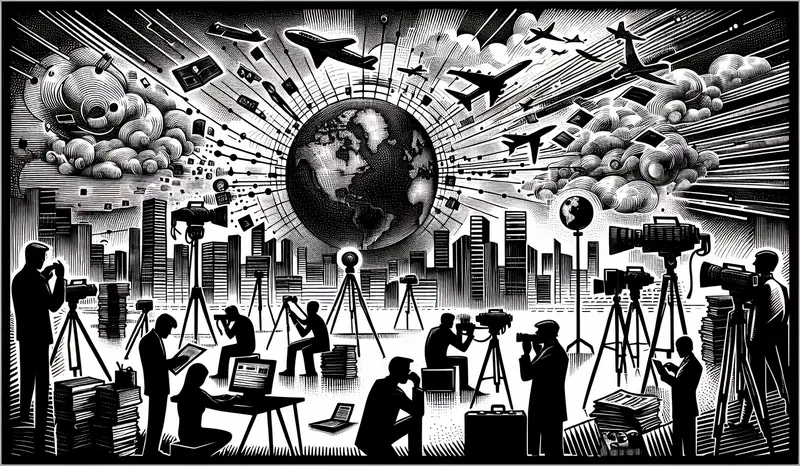
As we drift into February 2026, the world feels like it's teetering on the edge of chaos, with stories that intertwine destiny, culture, and accountability leaving us both unsettled and reflective. A mass shooting in Tumbler Ridge has cast a dark shadow over discussions about technology and public safety. The suspect, Jesse Van Rootselaar, had his ChatGPT account flagged by OpenAI months prior to the tragedy, yet the company decided not to alert authorities, believing the posts didn’t indicate an imminent threat [1]. This raises an uncomfortable question: when does the responsibility of tech companies end, and when does the responsibility of society begin?
In stark contrast, the glimmer of hope and resilience shines through the 2026 Winter Olympics in Milan-Cortina, where Team USA is battling for glory. With women’s curling aiming for bronze against Canada and Eileen Gu poised for another medal in the freeski halfpipe, the spirit of competition brings a momentary escape from the surrounding turmoil [2]. Yet this backdrop of triumph is juxtaposed with the somber reality of violence, as we learn about Nasrallah Abu Siyam, a 19-year-old Palestinian-American, who was fatally shot in the West Bank [3]. His family demands accountability, highlighting the stark divide between nations and the urgent need for justice amid rising tensions.
As we navigate these heavy narratives, there’s also a cultural awakening happening at the BAFTA Film Awards. Filmmaker Geeta Gandbhir, amidst her dual Oscar nominations, boldly addressed the “incredibly alarming and dangerous time” we live in, calling for solidarity among communities [4]. Her words resonate deeply, reminding us that the fight for justice and representation transcends borders and is as vital as ever. It’s a call to action in an era where art and activism increasingly intertwine, especially when we consider the powerful themes explored in films like Emin Alper’s "Salvation," which critiques the cycle of violence and nationalism [5].
Meanwhile, in the world of sports, Jaxon Smith-Njigba, fresh off a stellar NFL season with the Seattle Seahawks, is advocating for fair compensation, expressing his belief that he deserves to be the league's highest-paid wide receiver [6]. His confidence contrasts sharply with Sean Strickland, a UFC fighter who has labeled the organization’s pay structure as “predatory,” reflecting a broader conversation about athlete rights and equity in professional sports [7].
And as if to underscore our collective sense of unease, Barry Manilow announced the postponement of his shows due to recovery from cancer treatment, offering a personal glimpse into the fragility of life [8]. In this moment, we witness a tapestry of struggles, triumphs, and the relentless pursuit of accountability.
From the chaos of mass shootings to the euphoria of Olympic victories, we find ourselves at a crossroads, desperately seeking clarity in an increasingly complex world. Each story, whether it’s an athlete’s fight for fair pay or a filmmaker’s call for social justice, pushes us to reflect on our own roles in this narrative.