February 14, 2026, marked a significant day in global news, overshadowed by the tragic confirmation of the poisoning of Alexei Navalny, the prominent Russian opposition leader. British officials and allies have announced that Navalny was killed using epibatidine, a potent toxin derived from dart frogs, highlighting the Kremlin's alleged involvement in this heinous act. This revelation stems from an investigation into samples taken from Navalny's body, with UK Foreign Secretary Yvette Cooper stating, "Only the Russian government had the means, motive, and opportunity" to carry out such a lethal attack. This announcement not only reignited discussions about Russia's political repression but also underscored ongoing tensions in international relations, particularly as this news emerged during the Munich Security Conference[2].
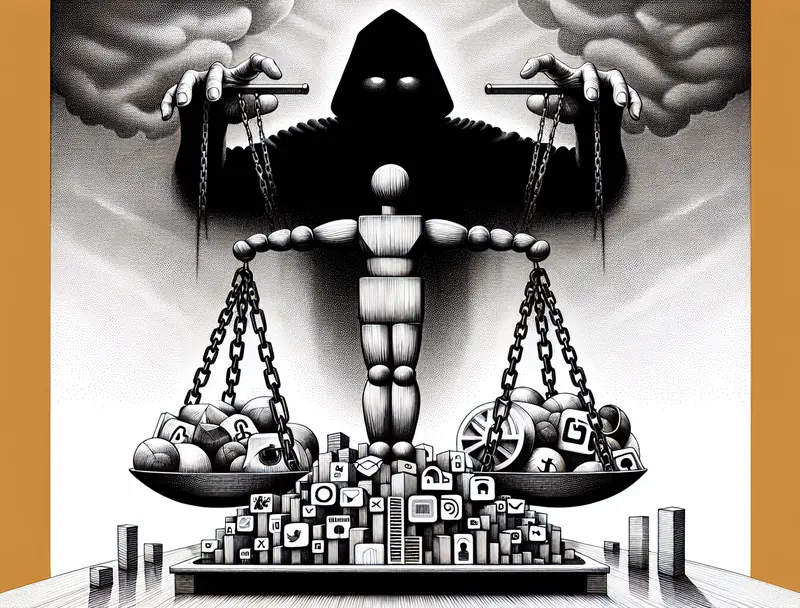
As the day unfolded, the media spotlight also turned to Discord, where news broke about their partnership with an age verification vendor linked to Peter Thiel, the co-founder of Palantir. This rollout has raised alarms among users who fear increased surveillance and privacy erosion, given Thiel's reputation for promoting panoptic technologies. The announcement has sparked a flurry of discussions online, with many users expressing skepticism and concern about how such measures could impact their online freedoms. The ties to controversial figures like Thiel have made this story particularly sticky, as it resonated with ongoing debates about privacy in the digital age [1].
In a related vein of contentious governance, the U.S. Department of Homeland Security is seeking to compel social media platforms to disclose accounts critical of Immigration and Customs Enforcement (ICE). This initiative, aimed at countering anti-ICE discourse, has been met with significant pushback from civil rights advocates, who argue that it threatens free speech and could be used to target dissenting voices. As the conversation around online freedom rages, the intersection of technology, governance, and civil liberties remains a hotbed of discussion [3].
On the military front, the U.S. military has been preparing for potential operations in Iran that could last several weeks. This development comes amid rising tensions in the region and has left many wondering about the implications for U.S. foreign policy and military engagement going forward. As these preparations gain traction, it signals a potential escalation in a long-standing conflict that continues to evolve in the face of international diplomacy [4].
In lighter news, Baylor's Tyce Armstrong made headlines in the sports world by hitting three grand slams in his debut game, tying a remarkable NCAA record. This extraordinary feat has not only captured the excitement of college baseball fans but also provided a much-needed distraction from the more serious news of the day. Armstrong's achievement was celebrated as he expressed his disbelief, saying, "I'm speechless. It's the coolest thing I've ever been a part of" [8].
Meanwhile, the ongoing fallout from the Epstein files has led Casey Wasserman to announce the sale of his talent agency amidst scrutiny over his past connections. This decision showcases the significant repercussions individuals face in the public eye, as the revelations continue to unravel the fabric of Hollywood's elite circles [7]. In another sports-related highlight, VJ Edgecombe was named MVP at the NBA Rising Stars event, further enlivening a day filled with sports stories [9].
Lastly, the search for Nancy Guthrie, the mother of “Today” co-anchor Savannah Guthrie, has intensified as law enforcement activity was reported at a house in her neighborhood. This development has raised concerns and renewed hopes for her safe return, as the community remains on high alert regarding her mysterious disappearance [10].
Overall, February 14, 2026, has been a day steeped in serious reflections on global politics, digital privacy, and personal freedoms, intertwined with moments of celebration in sports. The stark contrasts of this day remind us of the multifaceted nature of news, where tragedy, innovation, and triumph coexist in a single narrative.