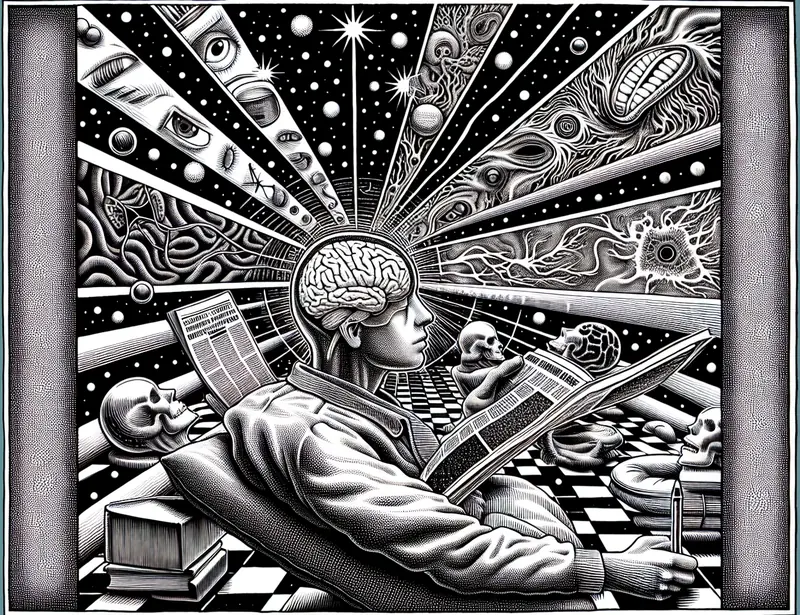
Today feels like a curious blend of introspection and commerce, as neuroscientists unveil findings that meditation does more than just calm the mind—it actually changes how cerebrospinal fluid flows in the brain. This fluid dynamics mimic those of sleep, offering an intriguing glimpse into how our thoughts can physically alter our brain's landscape [1]. It’s fascinating to think that the very act of sitting in silence can make such a difference, while at the same time, we’re watching the world around us spin in a different kind of chaos.
On the other side of the globe, Canada and China have struck a deal that’s reminiscent of a high-stakes game of economic chess: Canada will cut tariffs on Chinese EVs in exchange for lower tariffs on their own farm products[2]. As we ponder the complexities of trade negotiations, it’s a reminder that sometimes, it’s all about finding common ground—even if it feels like a balancing act between innovation and tradition.
Meanwhile, in the realm of politics, the Trump Store is set to close its doors, an unfortunate reality for a business that thrived amid election fervor, but now finds itself adrift in a quieter political landscape [3]. With no immediate electoral battles on the horizon, it’s almost poetic how the ebbs and flows of retail mimic the cycles of political engagement. One might say it’s a moment of reckoning for those who once thrived on the spectacle of campaign season.
As if to encapsulate the broader theme of change, research is emerging about the impact of diet on brain health. It turns out that diets rich in fiber and healthy fats can significantly enhance cognitive function, while refined grains pull in the opposite direction [4]. In a world where our brains are constantly bombarded by stimuli—from meditation techniques to social media—and with AI looming as a fragile yet powerful force in our markets, what we eat might just be as crucial as how we engage with technology [5].
And speaking of technology, the BBC is in talks to produce content for YouTube, marking a significant shift in how we consume media [6]. This deal reflects the changing tides of the entertainment landscape, where traditional broadcasting finds itself competing against the allure of online platforms. It’s a savvy move, especially as younger audiences flock to YouTube, leaving traditional channels in their wake.
In the background of all this, we’re reminded of the profound emotional ties we hold, even to our pets. A recent study revealed that grief over a pet can be as intense as mourning a family member, with many feeling this loss more acutely [7]. It’s a poignant reminder of the connections we forge and the complexities of loss, woven into the fabric of our daily lives.
Today feels like a snapshot of a world in transition, where meditation meets trade negotiations, while the echoes of political battles fade. Each story intertwines, reflecting the delicate balance of human experience, as we navigate through our own thoughts, diets, and media choices.