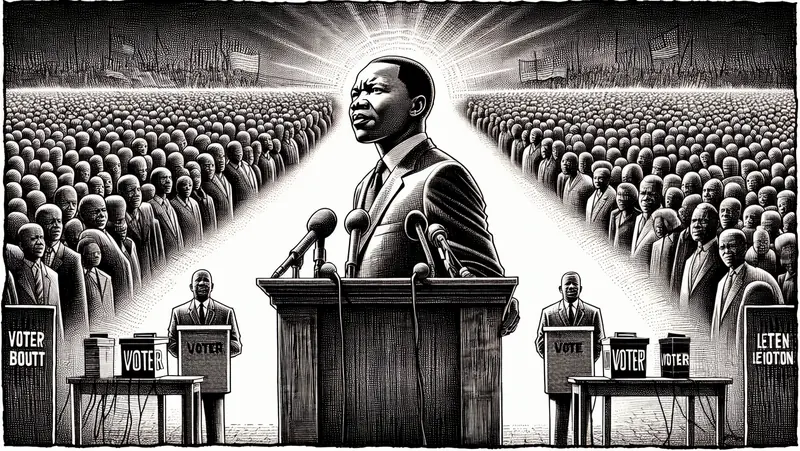
As the world spins into 2026, the air is thick with tension, power plays, and unexpected alliances. Yoweri Museveni, Uganda's long-standing president, is basking in the glow of early election results, boasting a commanding 76% of the vote amid an atmosphere that has been anything but tranquil. His main challenger, Bobi Wine, trails far behind with just 20%, highlighting the stark divide in a country that has seen its fair share of political strife and violent campaigns leading up to this moment. It’s a snapshot of a leader entrenched in power, seeking a seventh term while the streets echo with the voices of a restless populace [1].
In stark contrast, a case unfolding in Australia has cast a shadow over the glamorous facade of the entertainment world. Kate Whiteman, who bravely accused high-profile twins Oren and Alon Alexander of sexual assault, was found dead, an event that raises more questions than it answers. The coroner has ruled out suspicious circumstances, but the timing is unsettling, coinciding with the twins’ upcoming trial for serious charges. The announcement, made just days before the trial, has left many to ponder whether her absence will echo in the courtroom [2]. The tension in this narrative is palpable, a reminder of the fragility of justice in both high-profile cases and everyday lives.
Meanwhile, the tech world is buzzing with ambition as Anthropic prepares to establish roots in Bengaluru, India, with the appointment of Irina Ghose, a former Microsoft executive, to steer its expansion. This move underscores India's rising significance as an AI battleground, with companies like OpenAI also eyeing the lucrative market. The stakes are high; as 700 million smartphone users eagerly await innovations, the competition is fierce. This is a testament to a global shift where tech giants recognize that the future of AI is as much about cultural context as it is about code [3].
On the creative front, Kobalt has teamed up with Madverse Music Group in India, promising to bridge the historical gaps in international royalty collection for South Asian artists. With over 150,000 creators in their corner, this partnership aims to empower artists who have long been overlooked in the global market. “This is about more than just collection; it’s about creating a future where Indian music can thrive worldwide,” said Madverse CEO Rohan Nesho Jain. It’s a refreshing turn in an industry often marred by exploitation and neglect [4].
As if the weight of these stories wasn’t enough, South Korea's ex-president Yoon Suk Yeol has just been sentenced to five years in prison for his failed attempt at martial law—a verdict that reflects the ongoing struggle for democracy in the region. As supporters rallied outside the courthouse, clinging to their banners, it served as a powerful reminder that political turmoil isn’t just a headline; it’s a reality for many who live in the shadows of leadership gone awry [5].
In the midst of all this, sports provide a curious contrast. The Golden State Warriors are finding their rhythm again, proving that even amid internal drama—like Jonathan Kuminga’s trade request—the game of basketball can offer a semblance of solace. After a rocky start, winning 10 of their last 14 games feels like a victory not just on the scoreboard, but in the lives of fans seeking a break from the chaos surrounding them [6].
It's a world where power dynamics shift rapidly, where personal tragedies intertwine with broader narratives, and where the quest for creative expression continues to challenge the status quo. Each headline tells a story, but together, they weave a tapestry of our times—filled with both hope and heartbreak.