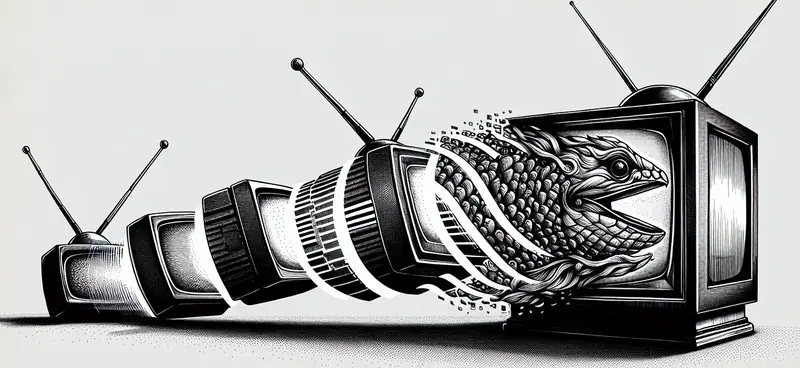
It’s a fascinating moment in the tech and entertainment landscape, where Netflix has officially declared casting dead, a shocking move for a company that once championed the technology. After fifteen years of enabling users to fling their favorite shows from mobile devices to their TVs, Netflix has dramatically narrowed its support. Now, only a handful of devices remain compatible, including older Chromecast models and select Vizio smart TVs. It’s a bittersweet farewell to a feature that once felt revolutionary, leaving us wondering if we’re witnessing the end of an era or simply a shift in how we consume media [1].
But while Netflix is retreating from the casting scene, the world outside seems to be engulfed in its own dramas, both tragic and farcical. Just as we reel from the tech giant’s decision, Boeing finds itself in hot water after a NTSB report revealed that the company was aware of structural flaws in the engines of the MD-11F freighter linked to a tragic crash in Kentucky, which killed 15 people. This oversight, dating back 15 years, raises serious questions about safety and accountability in the aviation industry [2]. It's unsettling to think that while Netflix was busy focusing on streaming features, lives were at stake in the skies above.
Meanwhile, in the world of sports, the Los Angeles Dodgers are making headlines for a different reason. They’ve snagged Kyle Tucker, a coveted free agent, for a whopping $240 million over four years, bringing him into a star-studded lineup. This move comes on the heels of their historic back-to-back championships, showcasing their commitment to staying at the top [3]. It’s almost poetic—the Dodgers are building an empire while other industries are grappling with their own crises of confidence.
Speaking of confidence, the pharmaceutical world is seeing a shake-up as well, with Pfizer's CEO openly criticizing Robert F. Kennedy Jr.'s anti-vaccine agenda at a healthcare conference. His frustration reflects a broader concern among health professionals about the erosion of trust in vaccines, further complicated by Kennedy’s recent overhaul of the U.S. childhood vaccine schedule [4]. As the healthcare community pushes back, it feels like the stakes have never been higher.
As these narratives unfold, the backdrop of academia also takes a hit. A federal judge denied five college football players their plea to play a fifth season, a decision that could significantly impact their careers [5]. In contrast, Oklahoma’s quarterback John Mateer is set to return, underscoring the unpredictable nature of athletic eligibility in the NCAA.
In a world that feels increasingly fragmented, from tech to sports to health, each story weaves into the next, creating a tapestry of our current zeitgeist. As we navigate these changes, it’s clear: we’re all just trying to find our place—whether it’s in a digital landscape, on a field, or in the conversation about our health.