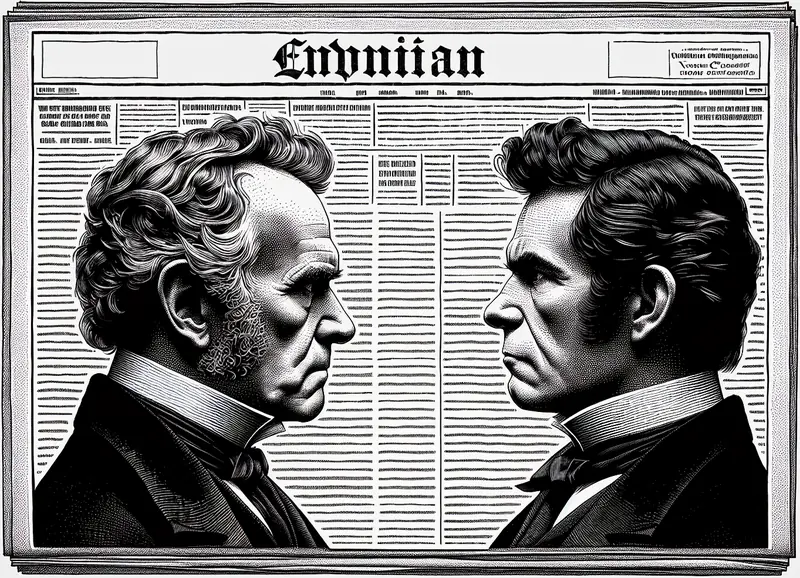
As the clock ticks towards the end of another day in January 2026, the entertainment and tech worlds are buzzing with news that feels both exhilarating and a bit chaotic. Starz is gearing up to bring “Amadeus,” a five-part series capturing the fierce rivalry between Mozart and Salieri, to U.S. audiences. With Will Sharpe and Paul Bettany leading the cast, the series promises to explore the intoxicating passions of 18th-century Vienna, where genius often meets envy. Alison Hoffman, president of Starz, described it as a perfect fit for their original series lineup, emphasizing the “bold, character-driven reimagining” of history's most famous musical feud [1].
Meanwhile, the Sundance Institute has made a significant leadership change, appointing David Linde as CEO just as it prepares to relocate to Boulder, Colorado in 2027. Linde’s extensive experience, including a stint at Universal Pictures, positions him well to guide the festival and nonprofit into its next chapter. The intersection of independent cinema and artistic excellence is more crucial than ever, especially as the world of film continues to evolve at a rapid pace [2].
In a surprising twist, Amazon is entering the reality TV arena with a new competition series called “Fallout Shelter,” based on the iconic video game. Contestants will navigate a post-apocalyptic world inspired by the game’s dark humor and survival themes, which seems to align perfectly with today’s appetite for immersive, high-stakes storytelling. It’s interesting to see how fiction is increasingly blended with reality—perhaps a reflection of our own chaotic times [3].
On the tech front, Apple is facing some scrutiny as adoption rates for its latest iOS 26 update lag behind previous versions, with only 16.6% of devices reportedly upgraded. Speculation suggests that users might be avoiding the new Liquid Glass interface like the plague. The contrast between the rapid advancement of tech and user hesitance is palpable, especially when considering that iOS 18 is still holding strong with around 70% adoption. It’s a reminder that even the most cutting-edge innovations can falter when they clash with user preferences [4].
Across the globe, tensions are simmering as Israel weighs its response to the ongoing protests in Iran. The complexities of international politics are never straightforward, and Israel's cautious approach hints at a larger game of strategy where the stakes are incredibly high. This delicate situation underscores how intertwined our global narratives are, as entertainment, politics, and technology dance in a delicate balance, each influencing the other in unexpected ways [5].
As if that weren’t enough, the beloved children's show “Sesame Street” is making headlines for a different reason—YouTube has become the largest digital library for the series, offering over 100 full episodes for free streaming. This move signals a shift in how classic content is consumed and treasured in the digital age, bringing nostalgia to new generations while ensuring that the lessons of kindness and understanding remain accessible [6].
Finally, the tech world isn’t standing still. OpenAI has invested a staggering $252 million in Merge Labs, a startup focused on brain-computer interfaces. With visions of merging human cognition with technology, this could redefine everything from communication to creativity. As we navigate through this era of rapid advancements, it’s fascinating to ponder what the future holds when our minds might be seamlessly connected to machines [8].
In this whirlwind of creativity and innovation, one thing is certain: the lines between our realities—be they artistic, technological, or political—are blurring in ways we’re just beginning to understand.