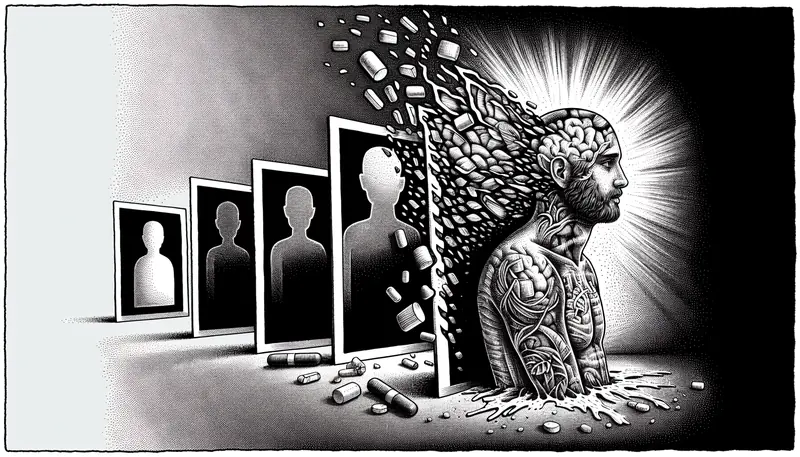
As the clock strikes January 14, 2026, the world feels like a stage for contrasting dramas. On one side, the Trump administration is making headlines by sending a letter that effectively wipes out funding for addiction and mental health grants. This move has drawn ire from advocates who argue that it risks exacerbating the mental health crisis in America, especially when the need for support has never been more pressing [1]. It’s a stark reminder that while some are grappling with their demons, others are busy pulling the rug out from under them.
Meanwhile, across the pond, the West Midlands police have found themselves embroiled in controversy after admitting that a decision to ban Maccabi Tel Aviv fans from attending a football match was based on information generated by Microsoft’s Copilot AI—a classic case of technology leading us into murkier waters. Initially, the police denied using AI, only to backtrack and reveal that the so-called “hallucinations” of the AI played a role in their decision [2]. It’s a twist that raises eyebrows about the reliability of AI in high-stakes situations, especially when the backdrop involves heightened tensions from recent terror attacks.
Speaking of tensions, on the global trade front, China is celebrating a record-breaking $1 trillion trade surplus, defying the very tariffs imposed by the Trump administration that were meant to curtail its economic clout [3]. This surplus comes despite challenges like a sluggish domestic market and the ongoing property crisis. The irony is palpable—while one administration's policies aimed to limit China's reach, they inadvertently may have fueled its economic ascent abroad. It seems the world is learning that sometimes, sanctions can spark resilience.
Amidst all this chaos, we turn to a lighter note in the entertainment world. Filmmaker Michael Chaves, known for his work in horror, is diving into comics with "Corpse Knight," a tale set in Medieval France that mixes the macabre with familial bonds [4]. It’s almost refreshing to see someone exploring the darker sides of storytelling while the real world grapples with its own horror show. With a narrative involving a girl resurrecting her father, it feels like a fitting metaphor for how many in today's society are trying to revive hope in the face of despair.
In a more unsettling vein, the FBI's raid on the home of Washington Post reporter Hannah Natanson adds another layer of intrigue. This “highly unusual and aggressive” act against the press has many raising their eyebrows and questioning the boundaries of press freedom under the current administration [5]. With the chilling echoes of authoritarianism ringing in the air, one can’t help but wonder how this will impact the already fragile relationship between the government and the media.
As we digest these stories, it’s hard not to feel the weight of the world on our shoulders. From the personal struggles of addiction to the international chess game of trade and power, it’s a time when the lines between fact and fiction seem to blur. Let’s just hope that amidst the turmoil, there’s a spark of creativity and resilience that can guide us through the shadows.