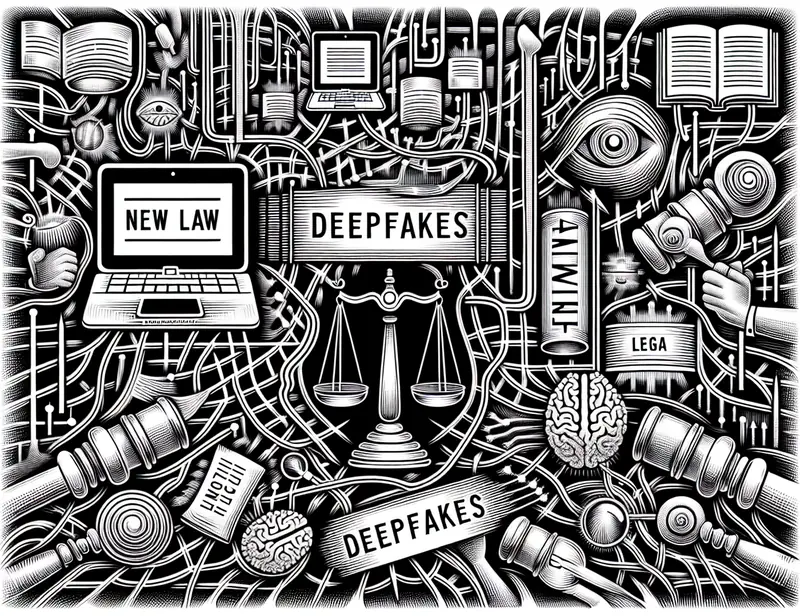
Today felt like a surreal tapestry woven from the threads of technology, justice, and social upheaval. The UK is stepping up its game this week with new laws targeting Grok AI deepfakes, a move prompted by the alarming ability of this technology to create non-consensual intimate images. Technology Secretary Liz Kendall characterized these images as "weapons of abuse," echoing a broader sentiment that our digital innovations often outpace moral considerations. The irony is thick: while we celebrate tech advancements, we’re also scrambling to protect the most vulnerable from their potential fallout [1].
As I digested this, I couldn't help but contrast it with the recent settlement involving L.A. Reid, the Grammy-winning music mogul who managed to skirt a trial for accusations of sexual assault and retaliation. Reid settled just before jury selection, with terms undisclosed, leaving a bittersweet taste. Drew Dixon, the former Arista executive who brought the lawsuit under the New York Adult Survivors Act, expressed hope that her advocacy could foster a safer music industry. Yet, it feels like a reminder that accountability often comes with a hefty price tag, and sometimes, silence is bought rather than achieved through justice [2].
Meanwhile, in New York, Governor Kathy Hochul is also on the front lines of protecting the youth, but her target is the gaming platform Roblox, as part of a broader initiative for kids' online safety. Hochul's proposed regulations are a response to parents' concerns about what their children experience online, showcasing how states are stepping up where federal action has stalled. It’s fascinating to see how both technology and culture are being scrutinized—not just as tools for entertainment or innovation but also as potential sources of harm [3].
Our digital landscape feels increasingly polarized, illuminated by the actions of right-wing influencers flocking to Minneapolis following the tragic shooting of activist Renee Nicole Good. These creators are flooding social media with content that paints the city as chaotic, utilizing the incident to justify extreme narratives. It’s a stark example of how quickly narratives can be spun in the digital age, often leaving truth in the dust [4].
In the cosmos, however, NASA is launching its Pandora mission to maximize the potential of the James Webb Space Telescope, a project aimed at identifying habitable worlds beyond our own. This juxtaposition of human drama and cosmic ambition is striking. While we grapple with our earthly issues, scientists are reaching out into the galaxy, searching for "Earth 2.0" and contemplating life beyond our fragile blue planet [5].
All in all, today’s news highlights a world caught between rapid technological advancement and the urgent need for ethical frameworks. As Apple teams up with Google to enhance Siri with AI-driven personalization, it seems we’re desperately seeking balance. As we navigate this complex digital terrain—where accountability, justice, and innovation collide—one thing is clear: the future is a double-edged sword, and we must wield it wisely [6].