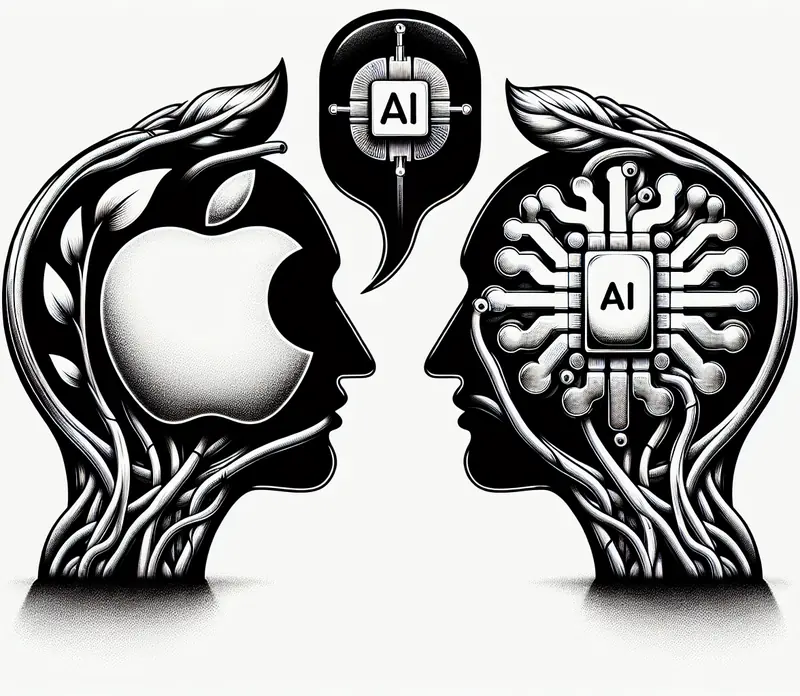
As we dive into 2026, the tech landscape is buzzing with unexpected partnerships and unsettling challenges. In a surprising twist, Apple has decided to tap into Google’s Gemini AI to revamp Siri, marking a new era of collaboration between two titans who have historically been rivals. This multi-year partnership aims to facilitate a more personalized Siri experience, with features that can not only understand user context but also perform actions on their behalf. It’s a bold move for Apple, especially after they admitted the upgrade took longer than expected, but the excitement is palpable. “Google’s technology provides the most capable foundation for Apple Foundation Models,” they announced, hinting at a future where Siri might actually understand you – a concept that seemed like science fiction just a few years ago [1].
Yet, while tech companies are forging alliances, the darker side of innovation is raising alarms. In New Jersey, a lawsuit against the app ClothOff reveals the scary realities of deepfake porn. The app has been wreaking havoc for years, targeting young women with non-consensual images. Despite being banned from major platforms, it persists online, illustrating the daunting challenges of policing digital spaces in an era where technology outpaces regulation. The case underscores a bitter truth: while we celebrate advancements like AI-powered personal assistants, we must also grapple with the ethical and legal quagmires that accompany such technologies [2].
Speaking of technology's dual nature, DJI has rolled out a new selfie stick that does more than just take your picture; it tracks you like a personal assistant. Priced at $103, the Osmo Mobile 7P Gimbal Stabilizer boasts features like automatic tracking and built-in lighting, making it a must-have for anyone looking to capture their best selves. It’s a tool designed for the self-obsessed age we live in, where every moment is an opportunity for content creation, yet it also highlights our insatiable need for validation through social media [3].
Meanwhile, as tech companies pivot and adapt, global politics looms large. The U.S. plans to exploit Venezuela’s oil reserves raises eyebrows, especially considering the environmental ramifications. Tapping into these vast reserves could consume 13% of the world’s carbon budget by 2050, a staggering figure that puts economic interests at odds with climate goals. With the backdrop of U.S. special forces capturing President Nicolás Maduro, it seems like a chaotic game of chess where the stakes are nothing less than the planet's future [4].
In a world where entertainment intertwines with reality, Netflix shone brightly at the 2026 Golden Globes, clinching seven awards including best limited series for “Adolescence.” This success comes as the streaming giant prepares for a significant acquisition, signaling its dominance in a competitive landscape. Yet, as Netflix celebrates, questions remain about how these victories will shape the future of storytelling in an era where deepfakes and misinformation threaten to distort our perceptions [5].
And finally, in a twist of political intrigue, Meta has appointed former Trump advisor Dina Powell McCormick as its new president, further blurring the lines between technology and politics. Her appointment comes amidst a contentious backdrop where the independence of institutions like the Federal Reserve is being questioned. The interplay of these narratives paints a picture of a society grappling with the implications of technological advancement while being pulled in various political directions [6][7].