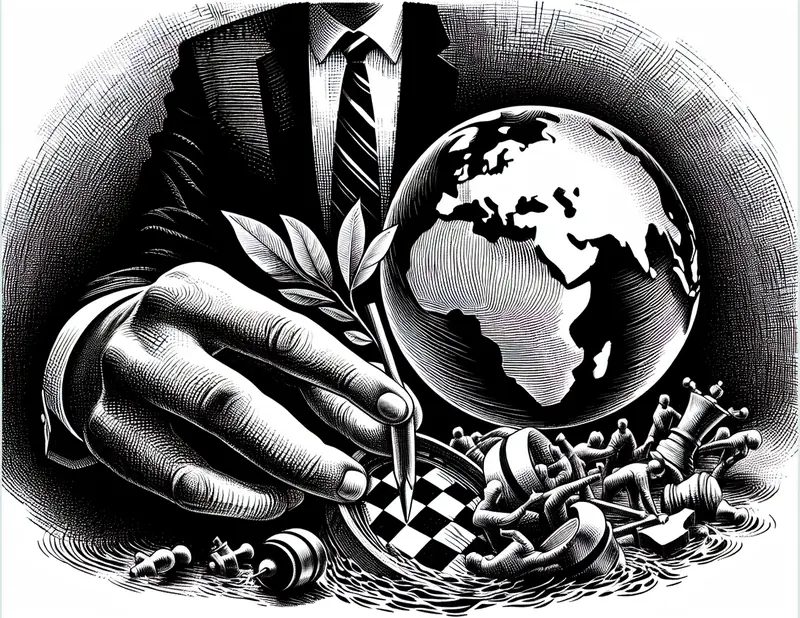
As the world stirs into action this January, it feels like we're caught in a wild game of geopolitical chess. Venezuela’s recent turmoil has left many questioning if we're on the brink of a shift from diplomatic efforts to outright aggression on the global stage. The usual diplomatic niceties seem to be slipping through our fingers, replaced by a more combative approach that feels both alarming and oddly familiar, as if we’re unwittingly reenacting a historical drama [1].
Meanwhile, China is ramping up its crackdown on religious freedoms, with the detention of Li Yingqiang, the leader of the Early Rain Covenant Church, highlighting a disturbing trend in the suppression of unregistered Christian groups. This latest sweep, part of a broader campaign against perceived disobedience to the Communist Party, paints a grim picture of the lengths to which governments will go to control ideological narratives. As authorities tighten their grip, it’s hard not to draw parallels between this and the aggressive posturing seen in places like Venezuela. Both instances remind us that the fight for freedom, whether it’s political or spiritual, often comes at a high price [2].
Back in the U.S., the tragic shooting of Renee Good by an ICE officer in Minneapolis has ignited outrage and mobilization among local clergy and activists. The community’s response feels like a direct challenge to a system that too often prioritizes enforcement over humanity. The clergy’s call for justice represents a growing recognition that these issues are not isolated; they echo a broader struggle against state violence and the need for compassionate reform [3]. Just as the underground church leaders in China are risking everything for their beliefs, those in Minneapolis are standing firm against a system that feels increasingly hostile.
Amidst all this tension, science offers a glimmer of hope. Researchers have developed a spray-on armor for plants, which could revolutionize food security by helping crops fight off destructive bacteria while withstanding drought. It’s a fascinating reminder that while the world grapples with fundamental rights and freedoms, innovation continues to forge ahead, seeking solutions to our most pressing challenges [4].
And in a lighter vein, as the Milan Winter Olympics prepares for its opening ceremony, featuring stars like Andrea Bocelli and Mariah Carey, it’s a stark contrast to the heavy news of the day. The spectacle is set to be a celebration of athleticism and culture, perhaps a needed diversion from the chaos unfolding around us [5]. The Olympics often serve as a momentary escape, but let’s not forget the underlying issues that persist, reminding us that while we cheer for athletes, we must also advocate for justice and understanding in our own backyards.