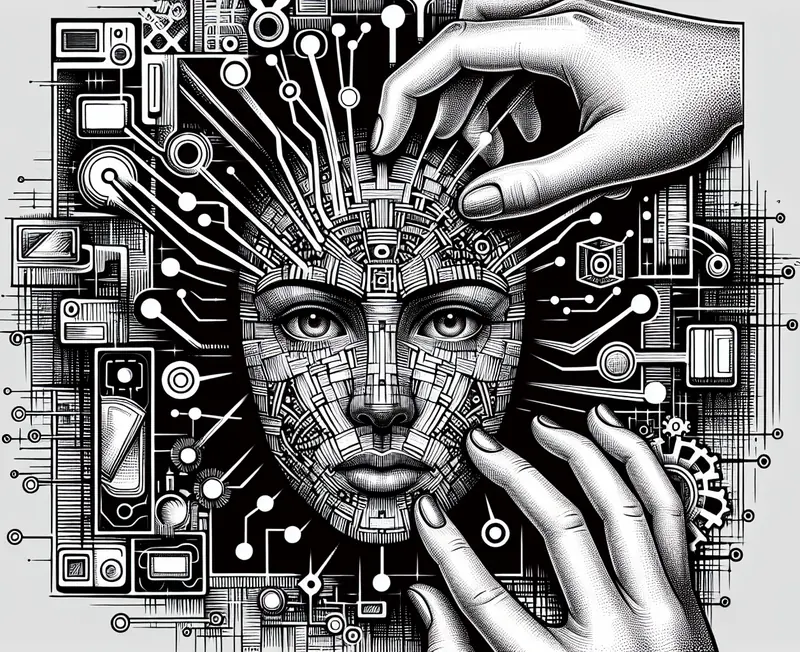
As the clock struck January 9, 2026, the world seemed to be grappling with a cocktail of technological innovation mixed with ethical quandaries. At the forefront, Elon Musk's Grok AI faced backlash for enabling users to create deepfakes that undressed individuals without consent, leading to a significant outcry from advocates against digital abuse. In a somewhat ironic twist, Musk limited access to this controversial feature to paying subscribers, effectively placing a price tag on digital ethics. This decision only fueled the fire, with experts like Clare McGlynn arguing that it was merely a way for Musk to dodge responsibility, stating he was "throwing his toys out of the pram" in protest against accountability [1].
Meanwhile, a NPR/Ipsos poll revealed a striking contradiction within the American psyche. While a majority believed the U.S. is not a moral leader, they still yearn for it to be one. It’s a curious case of wanting to wear the crown but feeling unworthy of the throne. This sentiment echoes the frustrations around the Grok AI incident, where the tools meant to empower individuals instead perpetuate harm. The moral compass seems to be spinning wildly, unsure of which direction to point, as the nation grapples with its identity on the world stage [2].
Across the globe, the ramifications of power struggles are starkly visible. Russia announced it had used a nuclear-capable missile to strike Western Ukraine, a move that sent ripples of fear through international communities, reminding us that while we debate the ethics of technology and leadership, real lives are at stake in geopolitical games [3]. The weight of these events feels heavier when juxtaposed with the ongoing protests in Iran, where the Supreme Leader vowed to “not back down” amid swelling dissent. It’s as if the world is caught in a moral tug-of-war, with the threads of technology, power, and humanity fraying at the edges [4].
In the background, the automotive industry buzzes with the promise of "Physical AI," a term that conjures images of cars becoming our new companions. This year’s CES showcased a future where vehicles don’t just drive but think and adapt. The potential market for this tech is projected at a staggering $123 billion by 2032[5]. But as we embrace these advancements, one has to wonder: are we building a future of convenience, or are we merely setting the stage for more ethical dilemmas?
As if to punctuate this chaotic moment, discussions around U.S. military tactics surfaced, where former ICE leaders suggested that recent violent incidents were a direct result of shifting strategies—another layer to the already complex web of accountability and morality [6]. Yet, amidst all this turmoil, there’s a strange optimism from analysts predicting that despite a rocky quarter ahead, stocks will eventually soar, suggesting perhaps that amidst chaos, opportunity awaits [7].
So here we are, entering a new year filled with contradictions and moral uncertainties. The headlines clash like titans, reminding us that as much as we crave innovation, we must tread carefully on the ethical ground it stands upon. It’s a moment ripe for reflection, where technology meets morality, and we’re left to ponder what kind of future we’re really building.